
Okay, so check this out—browser wallet extensions still feel like the wild west sometimes. Wow! They make crypto easy, but they also hand a lot of power to tiny pieces of software running in your browser. My instinct said “be careful” the first time I connected my wallet to an unknown site, and that feeling stuck with me. Initially I thought any Solana wallet that pops up would do, but then I learned the nuances between an NFT wallet, a general Solana wallet, and a DeFi-focused wallet—and that changed how I use them.
Here’s the thing. Wallet extensions are shorthand for convenience. Seriously? Yes. You get near-instant transactions and a smoother DApp experience, though there are trade-offs. On one hand you trade some attack surface for usability; on the other hand, some extensions are engineered with strong security patterns that reduce risk significantly, even though nothing is foolproof.
I remember installing my first extension and fumbling through seed phrases. Hmm… I was nervous. The UX was rough, and the recovery steps felt unclear. After a few painful mistakes I learned to treat the extension like a living keychain: careful, deliberate, and frequently audited in my head. That practice made later decisions far easier—like choosing Phantom over lesser-known options because the UI fit my workflow and the permissions prompts were clearer.
Short list: what differentiates the wallets? NFTs need easy media previews and collection browsing; DeFi demands token management and swap support; Solana-native wallets often focus on speed and low fees. My bias shows: I’m partial to wallets that feel like they were built for people who actually use DApps instead of just holding tokens. Still, preferences vary by user goals, and that’s fine.
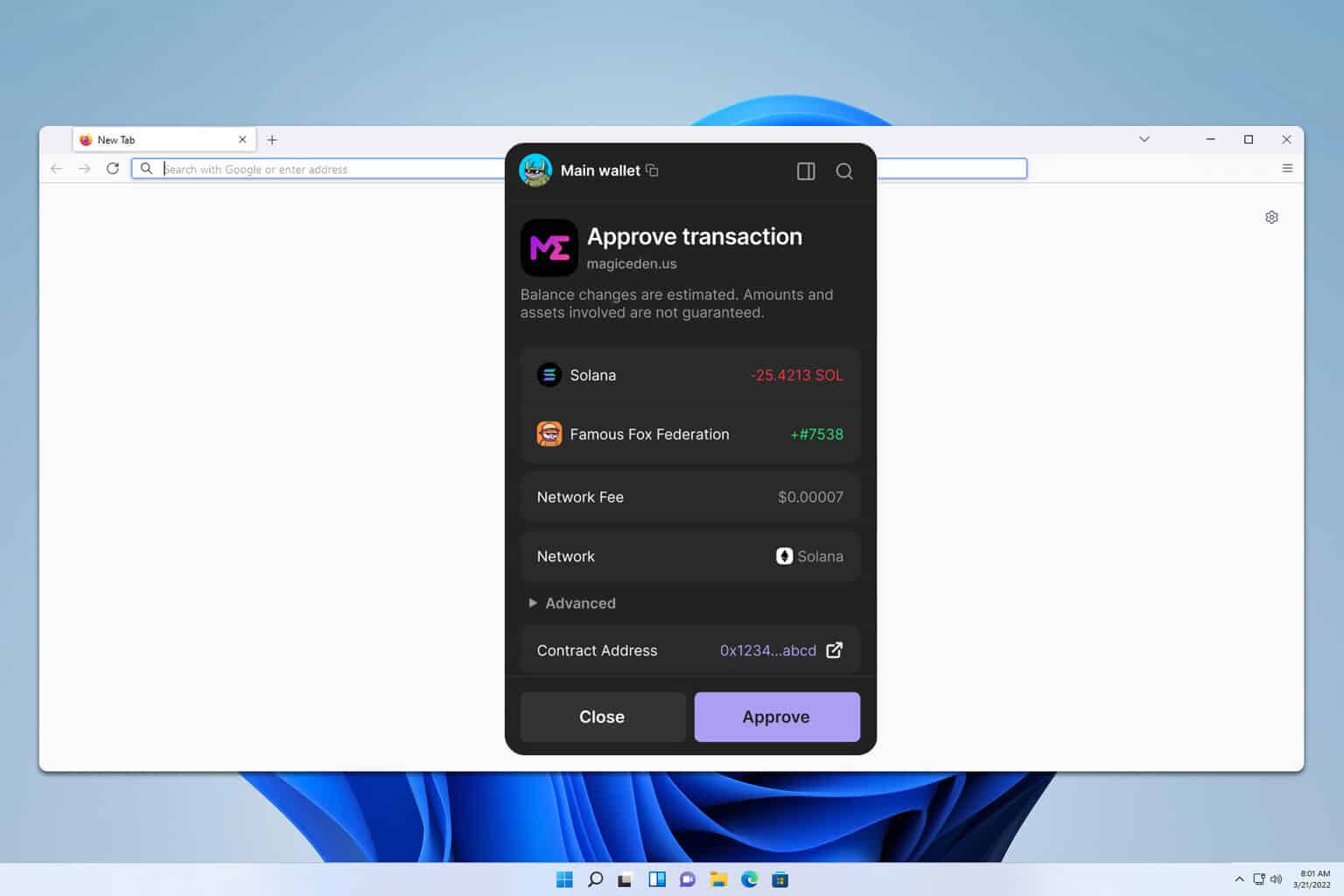
Where to get a trusted extension (and one important spot to download)
If you’d like to try Phantom as a starting point, grab the browser extension from here. Wow—small note: download sources matter a lot. Many malicious extensions mimic legit names, so confirm the publisher, read recent reviews, and compare the extension ID when you can. My instinct said double-check everything, and honestly that saved me from installing a fake clone once.
Wallet features to prioritize first. Short sentence. Look for clear transaction signing dialogs that show the exact instruction payload, not vague labels. Also prefer extensions that let you manage multiple accounts and support hardware wallet integration, because those options let you escalate security when you want to. On the technical side, check if the extension uses strong encryption for local storage and whether it supports session approvals with per-site permissions, which helps contain exposure when you accidentally connect to a questionable site.
Listen—permissions are the silent dealbreaker. Seriously? Yeah. A wallet that requests blanket access to everything is risky. Instead, a wallet should ask for session-level permissions and make it easy to revoke them. I say this because I’ve seen people unknowingly give long-lived approvals to low-reputation DApps, and that can lead to token drains if the DApp turns malicious or is compromised.
Okay, security checklist—seed phrase handling, hardware support, permission granularity, and phishing resistance. Short and blunt. Also check for frequent updates and open communication from the dev team; transparency matters. Wallet projects with strong communities and public audits generally respond quicker to security issues, though nothing replaces user caution and good habits.
One habit I adopted early: never paste a seed phrase anywhere online, ever. Hmm… sounds obvious, but people do it. I once almost pasted it into a chat while troubleshooting, and that moment felt like a near miss. After that I started using air-gapped storage for long-term seeds and a hardware wallet for valuable assets. If you care about NFTs or big DeFi positions, this step is worth the friction.
About NFT workflows specifically: you want a wallet that previews media and presents clear collection metadata. Short. When buying or listing NFTs, the wallet should show the exact contract address and token ID during approval, because approvals are where mistakes happen. Some wallets add nice extras like collection sorting and marketplace integration, which matter for collectors who move between Magic Eden, Solanart, and other marketplaces.
DeFi users need more granular token management and integrated swaps or serum orderbook access. Quick aside: using on-chain orderbooks has different UX and risk than AMM swaps. If you’re doing portfolio-level moves, track slippage settings, token approval caps, and whether the wallet offers transaction simulation to estimate failed transactions and fees. These features protect you from surprise reverts and undue cost—very very important when moving large positions.
Performance and UX are often underrated. Short sentence. A laggy extension that freezes during signing invites mistakes. Wallet extensions that isolate signing windows and provide clear timelines for when a transaction will finalize reduce panic. Also look for good mobile companion apps or wallet-connect equivalents if you want cross-device flexibility, though extensions are superior for desktop DApp flow in many cases.
Phishing resistance deserves its own shout. Seriously, it’s that real. Extensions can show subtle warnings when connecting to suspicious domains, and you should train yourself to spot cloned UI elements or odd typos. On one hand defenders can build great safeguards; on the other hand, attackers innovate fast, so stay skeptical and revoke permissions when things feel off. I’m biased toward wallets that make permission revocation obvious and quick—it’s a simple safety valve.
Developer tools matter if you tinker. Short. For developers building on Solana, an extension that exposes RPC selection, network toggles, and detailed transaction logs makes debugging far easier. If you’re deploying contracts or integrating multiple DApps, you’ll appreciate these options because they reduce guesswork and save time when something breaks unexpectedly.
Cost considerations: Solana’s fees are low, but UX choices can hide costs like auto-conversion slippage or third-party swap fees. Hmm… watch for “convenience” features that add markup. Some wallet extensions route swaps through APIs that include overhead. If fee transparency is important, choose wallets that break down costs explicitly before you confirm a swap.
Recovery and account portability deserve emphasis. Short. Make sure the wallet supports seed export and, ideally, compatibility with standard derivation paths so you can recover across different wallets. Avoid solutions that lock you into a proprietary recovery unless you fully trust the provider and have an escape plan. I learned this the hard way when juggling multiple accounts and trying to consolidate assets.
Compatibility with hardware wallets like Ledger or Trezor is a huge plus. Short. A hardware wallet combined with a browser extension gives the best of both worlds: convenience for everyday DApp interactions and strong offline key protection for signing large transactions. If you’re moving valuable NFTs or running DeFi strategies, this combo reduces stress significantly.
Final practical tips—quick bullets in prose. Seriously, here’s a quick mental checklist: 1) verify download source, 2) enable hardware support, 3) limit approval scopes, 4) revoke old connections, 5) simulate when possible. Those five moves reduce the bulk of common user-risk, though they do not eliminate every threat. Oh, and by the way, keep your browser updated and avoid shady extensions that overlap permissions, because browser-level compromises are another attack vector.
Common questions
Can I use one wallet for both NFTs and DeFi?
Yes, many Solana extensions support both use cases, but the experience varies. Short answer: choose based on which workflows you use most. If you’re mostly collecting NFTs but dabble in DeFi, prioritize an NFT-friendly UI that still supports swaps. Conversely, heavy DeFi users should favor wallets with robust token management and swap transparency.
Is a browser extension safe enough for serious holdings?
Depends. Short. Extensions are convenient but add attack surface, so pair them with hardware wallets for significant holdings. Use session permissions and revoke them regularly, and never share seed phrases or private keys. If you’re storing long-term, consider cold storage solutions alongside an extension for everyday access.
How do I spot scam DApps when using a wallet extension?
Look for odd domain names, misspelled UI text, and requests for broad approvals. Quick tip: compare contract addresses and verify on-chain metadata when in doubt. If a DApp asks to “approve all tokens” or to manage your funds without clear reason, revoke and research—it might be malicious or simply poorly designed.
